Practical guides guide
Getting Around Verona Without a Car: Walking, Buses and Bikes
For most visitors, Verona is easier without a car. The central sights sit inside a compact network of squares, lanes and river crossings, while buses are useful for...
Published August 1, 2026 · Welcome to Verona Editorial Team
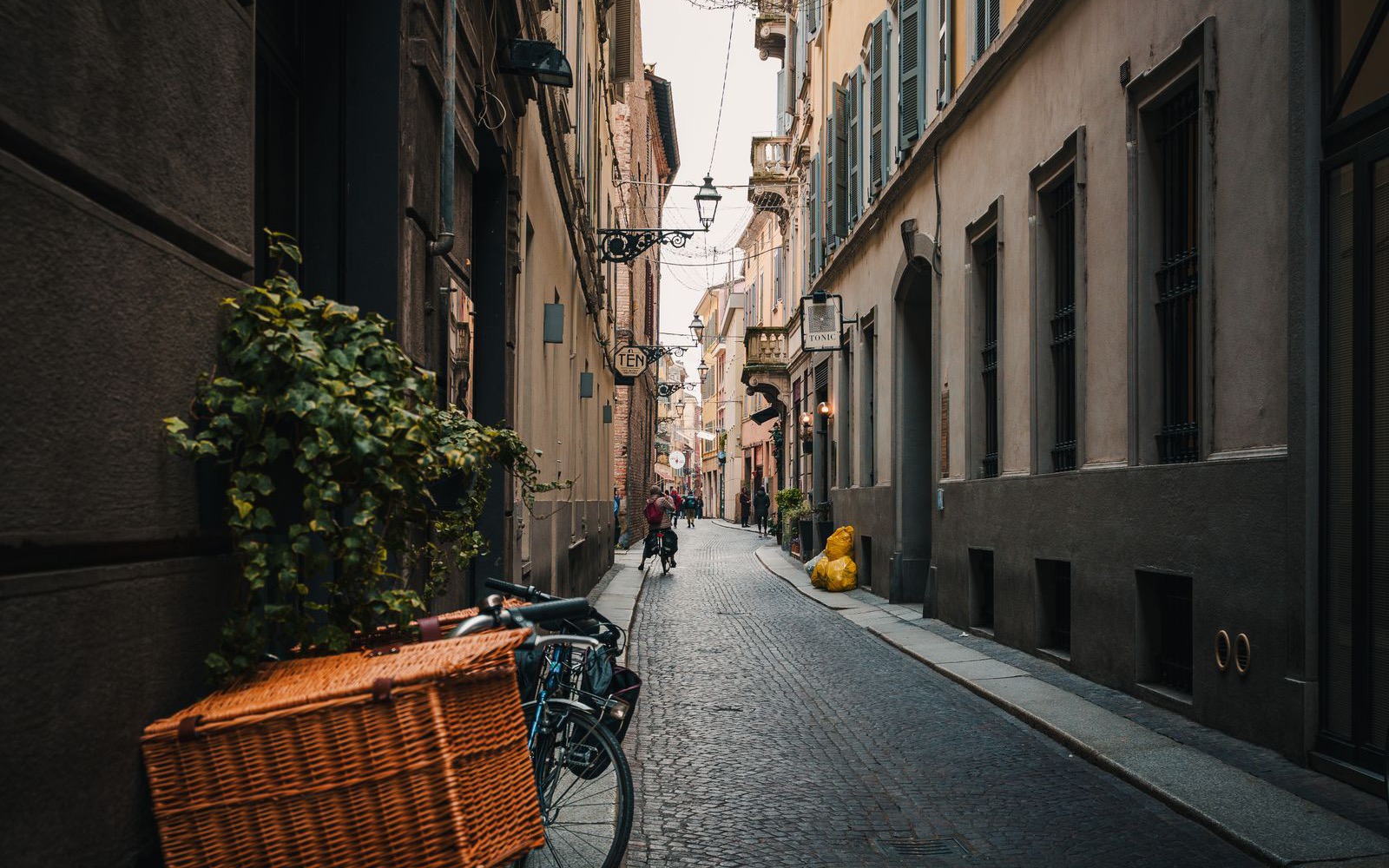
For most visitors, Verona is easier without a car. The central sights sit inside a compact network of squares, lanes and river crossings, while buses are useful for the station, outer neighbourhoods and days when heat, rain or tired feet change the plan. The best strategy is not to choose one form of transport for the entire stay. Walk where the city rewards it, use a bus when it saves energy and keep the live timetable close.
Match each journey to the city rather than forcing every trip onto one app.
Walk the centre, but plan the edges
Piazza Bra, Via Mazzini, Piazza delle Erbe and Piazza dei Signori form the obvious pedestrian spine. From there, Castelvecchio, Ponte Pietra and the Roman Theatre side are natural extensions rather than separate expeditions. Walking lets you notice courtyards, small churches and food stops that disappear when every movement is reduced to the fastest route.
The edges require more thought. Porta Nuova is outside the postcard centre, Castel San Pietro involves an uphill section, and a summer afternoon can make a short distance feel much longer. Families, travellers with luggage and visitors with reduced mobility should treat walking times as a starting point, not an obligation. A two-stop bus journey can preserve the energy that makes the rest of the day enjoyable.
How Verona's city buses fit into a visit
ATV operates Verona's urban network. Tickets and live information are available through the operator's channels and authorised retailers, and tickets must be used according to their current validation rules. Do not build the trip around route numbers remembered from a previous visit: weekday daytime services can differ from evening, Sunday and holiday services.
Porta Nuova is the most likely point where a visitor will use a bus. Check the destination shown at the stop and the direction of travel before boarding. In the centre, several routes may get you close to Piazza Bra or Castelvecchio, but the best one depends on the day and time. Screenshot the return option when leaving Wi-Fi, and leave room for service changes around major events.
The Verona Card currently includes urban bus travel. Official conditions exclude the airport shuttle and extra-urban services, so a trip to the airport, Lake Garda or another town needs its own ticket.
Bike when the route suits it
A bicycle is useful for reaching neighbourhoods beyond the tightest centre and for creating a longer route along quieter streets. Official visitor information points to Verona Bike as well as private bike and e-bike rental. Check the current registration, pricing and station availability before relying on shared bikes for a time-sensitive journey.
The most crowded pedestrian lanes are not where a bike feels easiest. Slow down, respect pedestrian areas and use designated parking rather than leaving a bicycle against a monument or across a narrow pavement. For a scenic ride, choose a route with enough space and fewer stops instead of trying to cycle through every landmark on the busiest afternoon of the week.
Arrival days, luggage and accessibility
Arrival day is the moment not to overestimate walkability. From Porta Nuova, settle the luggage before beginning a city route. If the accommodation cannot hold bags, check a current luggage-storage option and its real opening hours. Pulling a suitcase over paving stones is a poor introduction to a city that becomes much easier as soon as your hands are free.
Accessibility varies between streets, bridges, historic buildings and vehicles. Recent improvements have made parts of the station-to-centre route easier, but individual attractions retain their own access conditions. Contact the accommodation and ticketed sites directly when step-free access, lift dimensions or assistance are essential. A route that is technically short can still include cobbles, slopes and crowded passages.
When a car helps and when it gets in the way
A car is rarely useful for moving between central Verona sights. The historic centre includes camera-controlled restricted access, parking requires planning and the places most visitors want to see are better connected on foot. Park once and leave the vehicle there rather than moving it between stops.
The calculation changes for countryside stays, wineries and places with weak public transport. If a rental car belongs in the second half of the trip, consider collecting it when leaving Verona. That keeps the city portion simple and avoids paying for a vehicle that spends two days in a garage.
Save the sights, restaurants and transport points you need on the Welcome to Verona map before leaving the hotel.
A guided introduction helps the centre make sense before you begin navigating it independently.
What visitors usually need to know before the first journey.