Events guide

Verona’s 2026 Arena Season: What’s Still Ahead in Late Summer

If you are in Verona at the end of July or during August, the Arena’s 2026 season is still very much in motion. The 103rd Arena di Verona Opera Festival runs until 12...

Published July 24, 2026 · Welcome to Verona Editorial Team

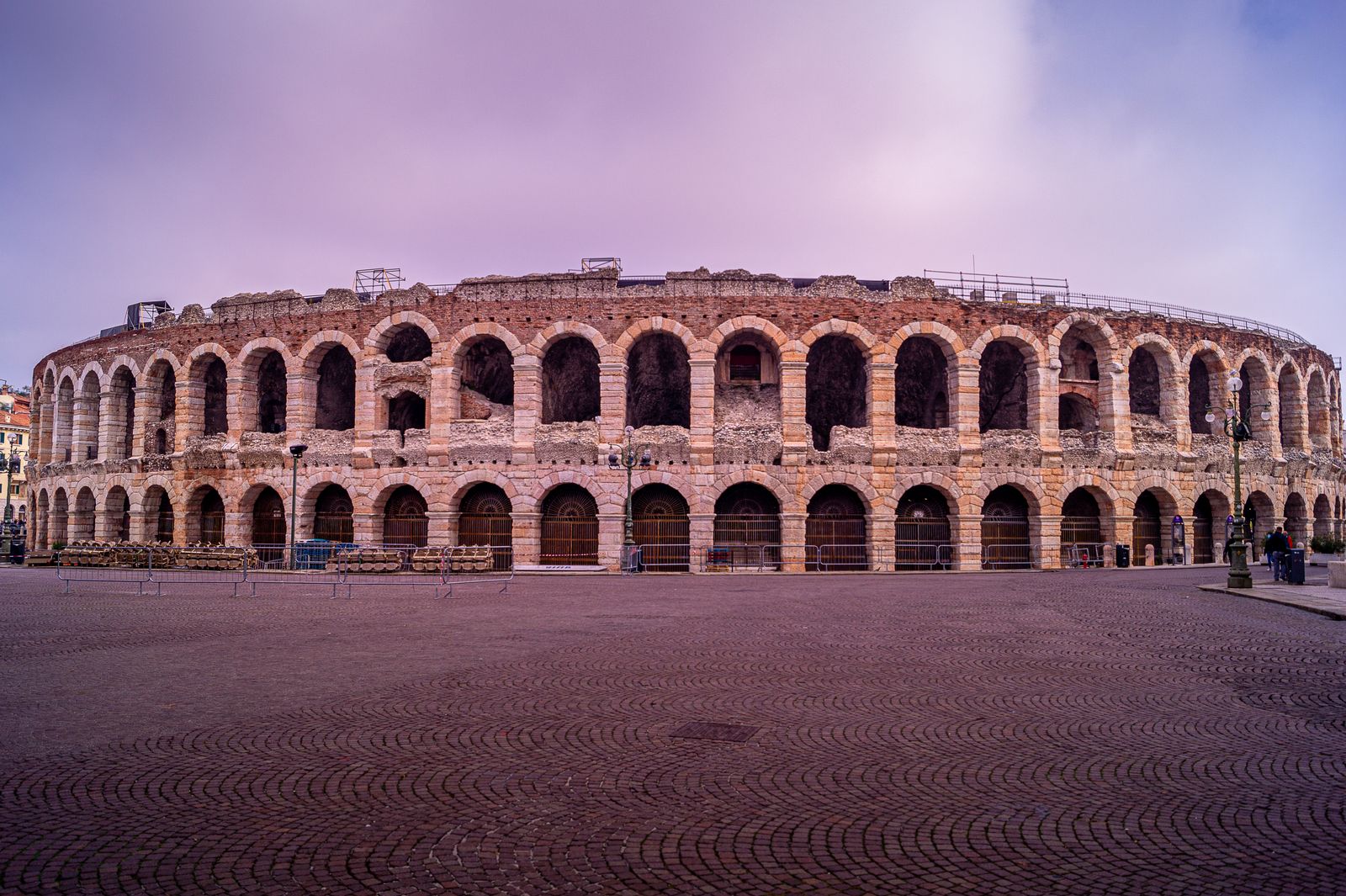
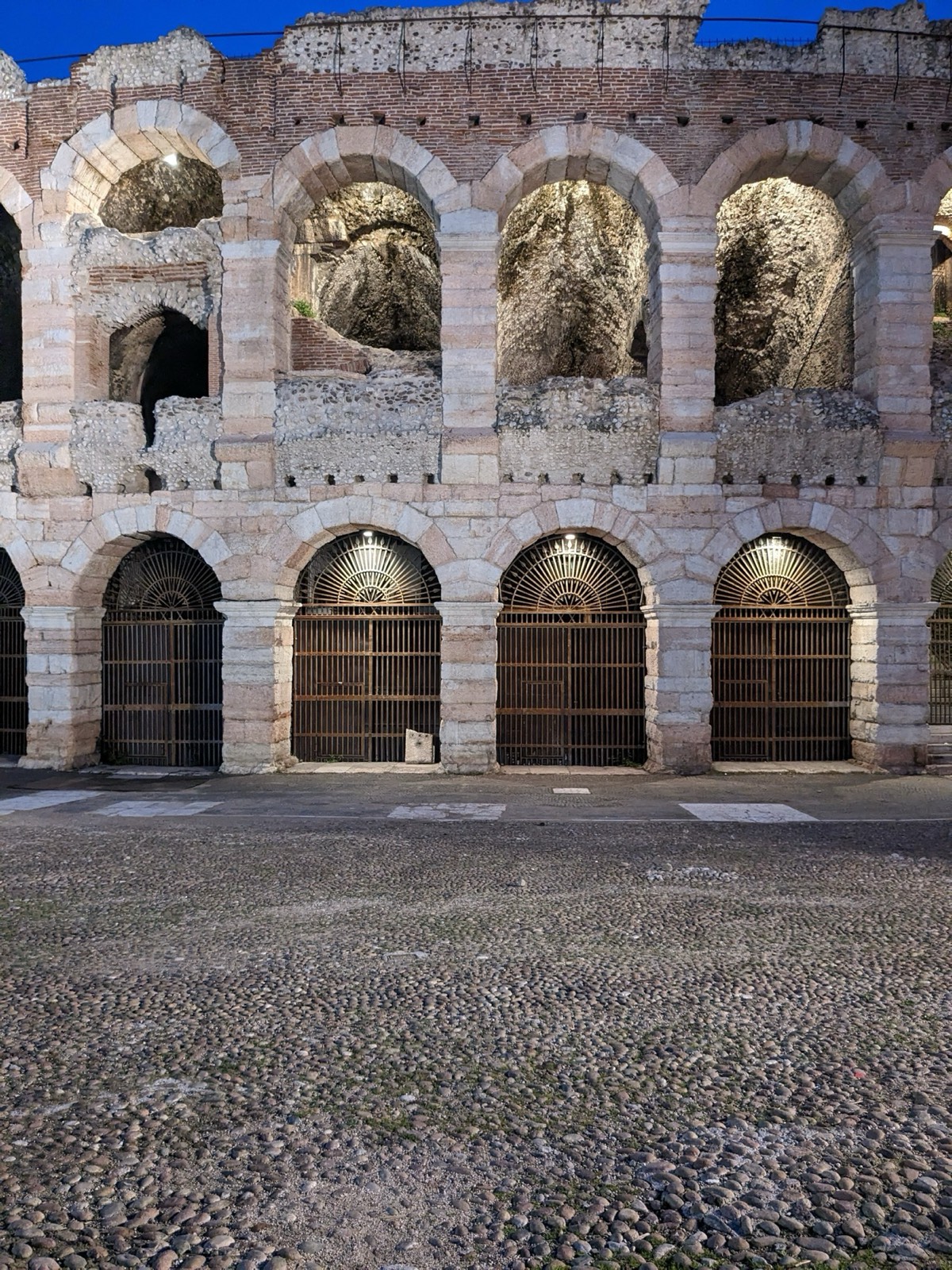
The ancient Arena di Verona under a cloudy sky

If you are in Verona at the end of July or during August, the Arena’s 2026 season is still very much in motion. The 103rd Arena di Verona Opera Festival runs until 12 September, and its calendar shifts from the first wave of summer performances into a run of returning productions, anniversary programming and special evenings.

That makes this a good moment to plan an opera night around the rest of your stay. The useful question is not simply which title you recognise. It is how the different productions change the character of an evening in the amphitheatre, and how to leave enough room before and after the performance for Verona itself.

The next stretch of the programme

The official calendar lists La Bohème on 25 July, followed by Nabucco on 1 August and again on 8 August. Aida returns in Franco Zeffirelli’s production on 30 July and 9 August, among other dates later in the season. Turandot begins its 2026 run on 7 August, with further performances scheduled through 11 September.

The range is broad without being confusing. Puccini offers two very different moods: La Bohème is intimate and youthful in subject, while Turandot is a fairy-tale spectacle built for a huge open-air stage. Verdi’s Nabucco brings a powerful choral tradition, and Aida gives visitors the chance to compare Stefano Poda’s “crystal” staging, which reaches its final listed date on 24 July, with Zeffirelli’s much-anticipated return from 30 July.

The Foundation’s season announcement describes the 2026 festival as 50 evenings of opera, music and dance across three months. It also marks a centenary: Puccini’s Turandot first reached the stage in 1926, and the Arena is presenting Zeffirelli’s production for the occasion. Those details give the late-summer calendar a little more shape than a sequence of unrelated dates.

Three special evenings to watch

Opera is not the only reason to look at the calendar. On 13 August, Carl Orff’s Carmina Burana is scheduled as a concert evening, with choir and symphony orchestra. On 18 August, the programme lists Paganini Paradise, described by the Foundation as an immersive concert and a world premiere. The following evening brings Viva Vivaldi: The Four Seasons, combining Vivaldi’s music with three-dimensional projections.

These events may suit visitors who are curious about the Arena but do not want to begin with a full opera. They also offer a different way to read the building. A chorus, a symphony orchestra or an immersive production uses the stone enclosure differently from a staged drama, and the atmosphere changes with the format.

Build the evening around the performance

The Arena’s schedule shows most July opera performances starting at 9:15 p.m., while August performances are listed at 9 p.m. The exact time belongs to the date you choose, so check the official calendar before making dinner reservations or arranging transport.

Arrive with time to cross Piazza Bra without rushing. The amphitheatre is in the centre, but a performance night is not the moment to squeeze in one more sight. A late lunch, a quiet walk through the old centre and an early aperitivo make better companions than an overfilled itinerary. After the show, the square and the surrounding streets offer a natural extension to the evening; if you are staying outside the centre, decide your route home before taking your seat.

It is also worth checking the Arena’s accessibility programme. The Arena per Tutti calendar lists selected performances with pre-show tours and accessible support for audiences including blind or visually impaired people, deaf or hard-of-hearing people, and people with intellectual disabilities. The listed dates include La Traviata on 31 July, Nabucco on 1 and 8 August, Aida on 9 August and Turandot on 14 August. Details and booking links are on the Foundation’s dedicated page.

A first opera night can be simple

You do not need a background in opera to make the evening work. Read a short synopsis before leaving your accommodation, choose a performance that fits your interests, and let the scale of the Arena do some of the explaining. The programme, the voices and the night sky create a kind of orientation of their own.

For a first visit, the best preparation is practical rather than academic: confirm the start time, check the ticket instructions, allow for the walk to your seat and dress for an outdoor evening. The Arena is historic, open to the sky and built in stone, so comfort matters as much as ceremony.

Tip: The official calendar currently lists the 2026 festival through 12 September, with tickets linked from each event listing. Dates, start times, ticket availability and access arrangements can change; verify the chosen performance directly on arena.it before travelling. Arena per Tutti support is attached only to selected dates and requires its own booking information.

Sources

https://www.arena.it/en/calendar/ https://www.arena.it/en/magazine/news/aperte-le-vendite-per-il-103-arena-di-verona-opera-festival-2026/ https://www.arena.it/en/arena-verona-opera-festival/arena-per-tutti/calendario/

Official sources