opera · 2026-07-30
Aida, Franco Zeffirelli edition
Arena di Verona
See this event and the full calendarYour local guide to the city of love
Good food, unforgettable nights, hidden corners and easy day trips. Make every hour in Verona count.
Selected Arena, concert, culture and fair dates from official programmes.
opera · 2026-07-30
Arena di Verona
See this event and the full calendarculture · 2026-06-25
Teatro Romano and city venues
See this event and the full calendaropera · 2026-07-31
Arena di Verona
See this event and the full calendarThree evergreen guides we would send to a friend before they arrive.
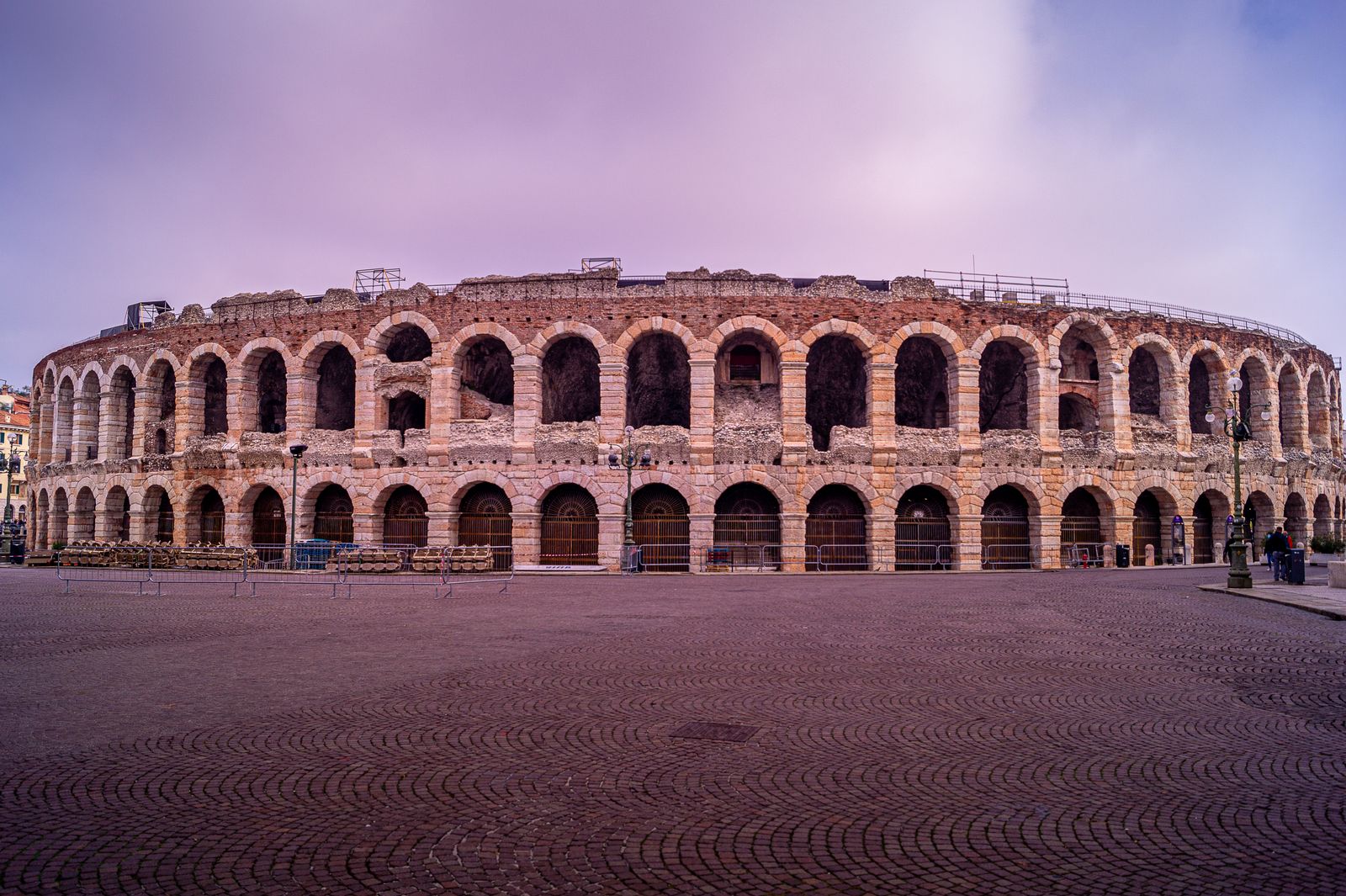
Food & drink
An Arena evening is better when dinner does not become another timed attraction. The useful question is not simply where to eat near Piazza Bra.
Read the guide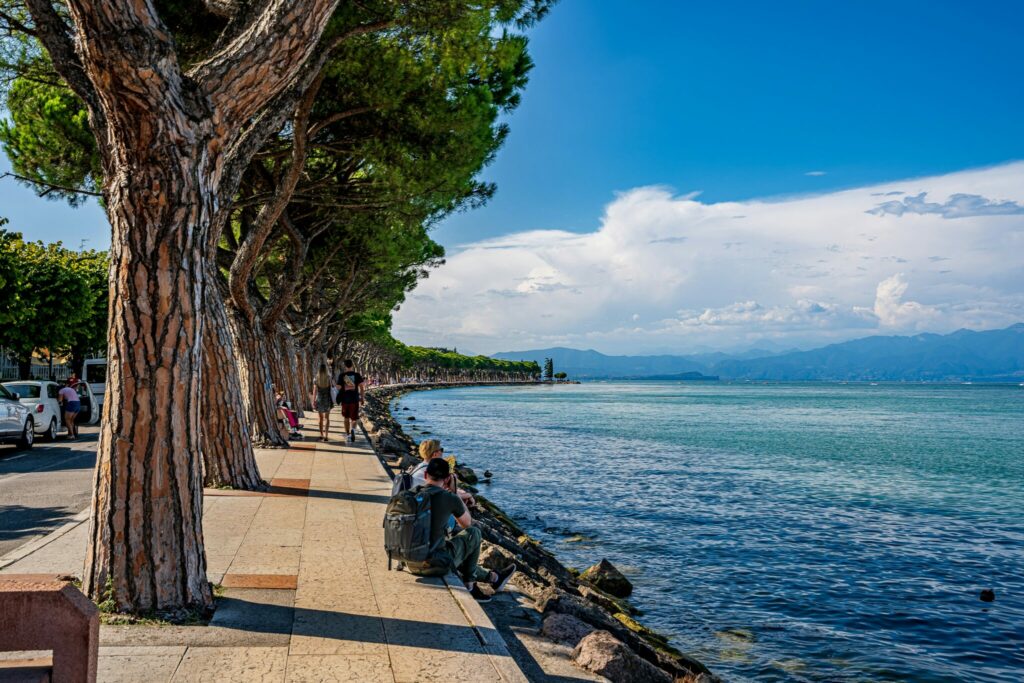
Day trips
Peschiera del Garda is one of the simplest Lake Garda day trips from Verona: the railway station is close to the fortified centre and the lakeside. It works best as a...
Read the guide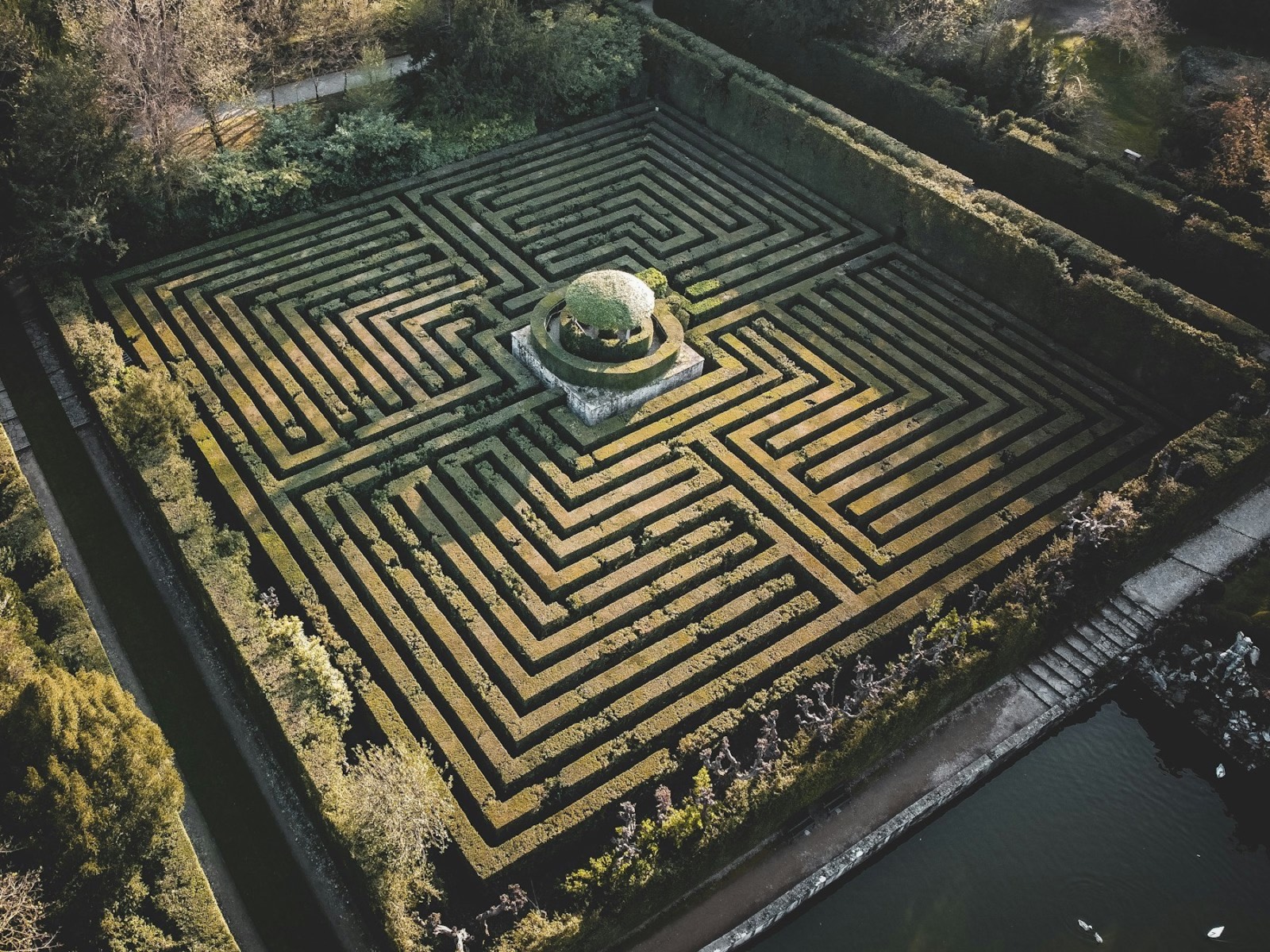
Culture
Verona is easy to associate with streets, bridges and stone. Giusti Garden gives the city a different texture.
Read the guideThe most recently published useful reads, ordered by date.
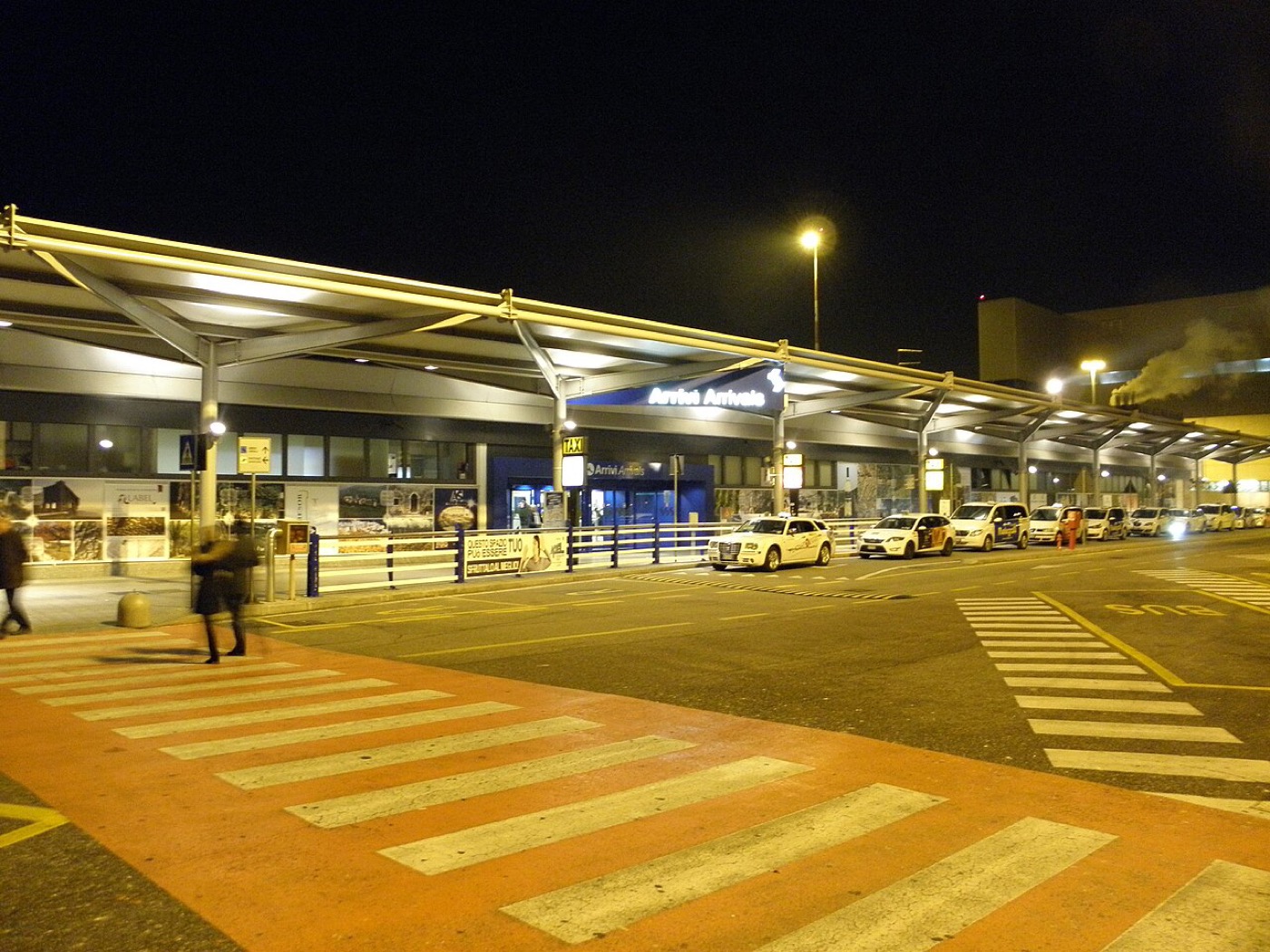
Practical guides
Verona Airport is close enough to the city for the transfer to be simple, but it helps to understand one important detail before landing: the airport bus takes you to...
Read the guide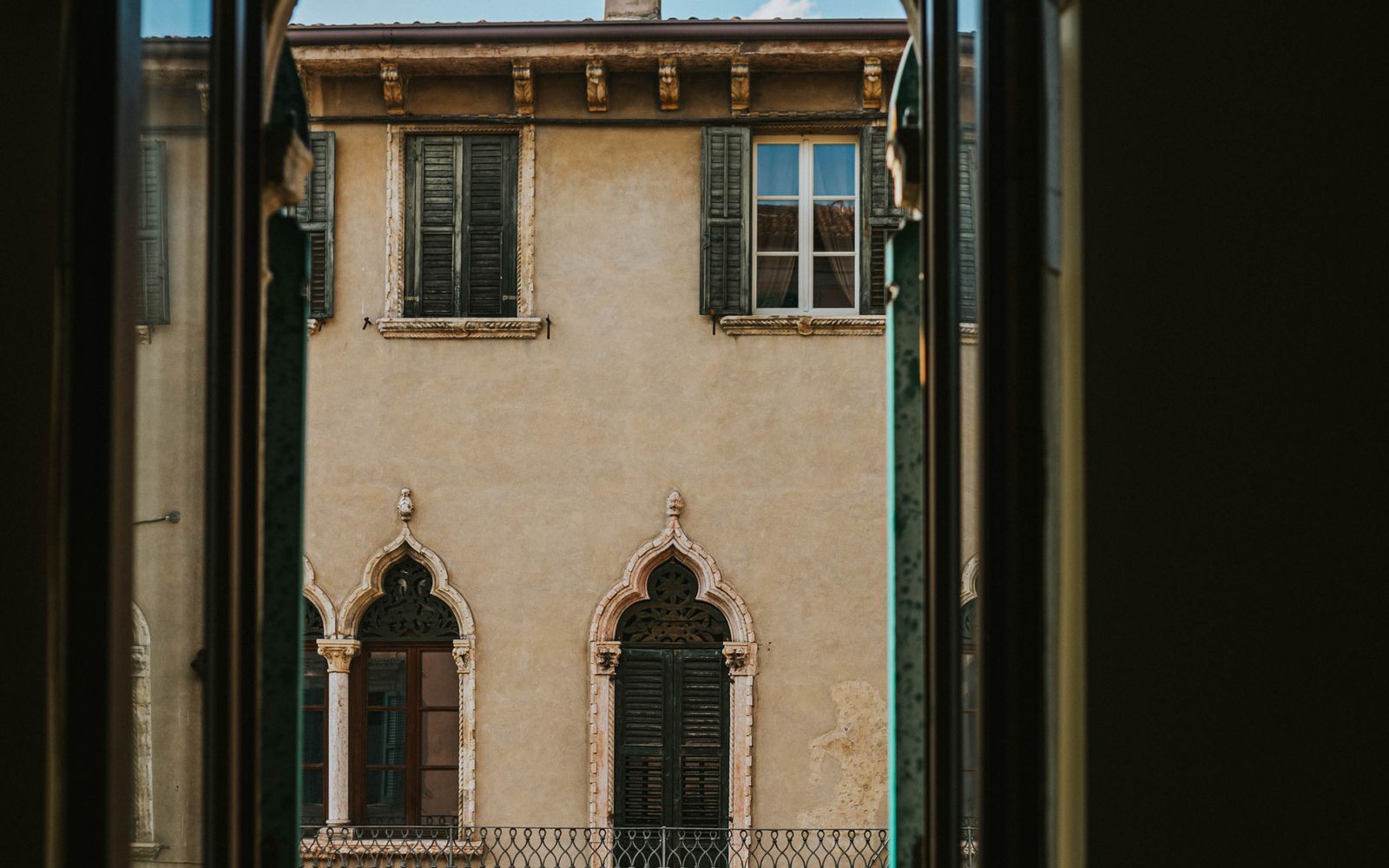
City guides
The best area to stay in Verona is not automatically the address closest to Juliet's House. It depends on how you will arrive, whether an Arena evening matters, how...
Read the guide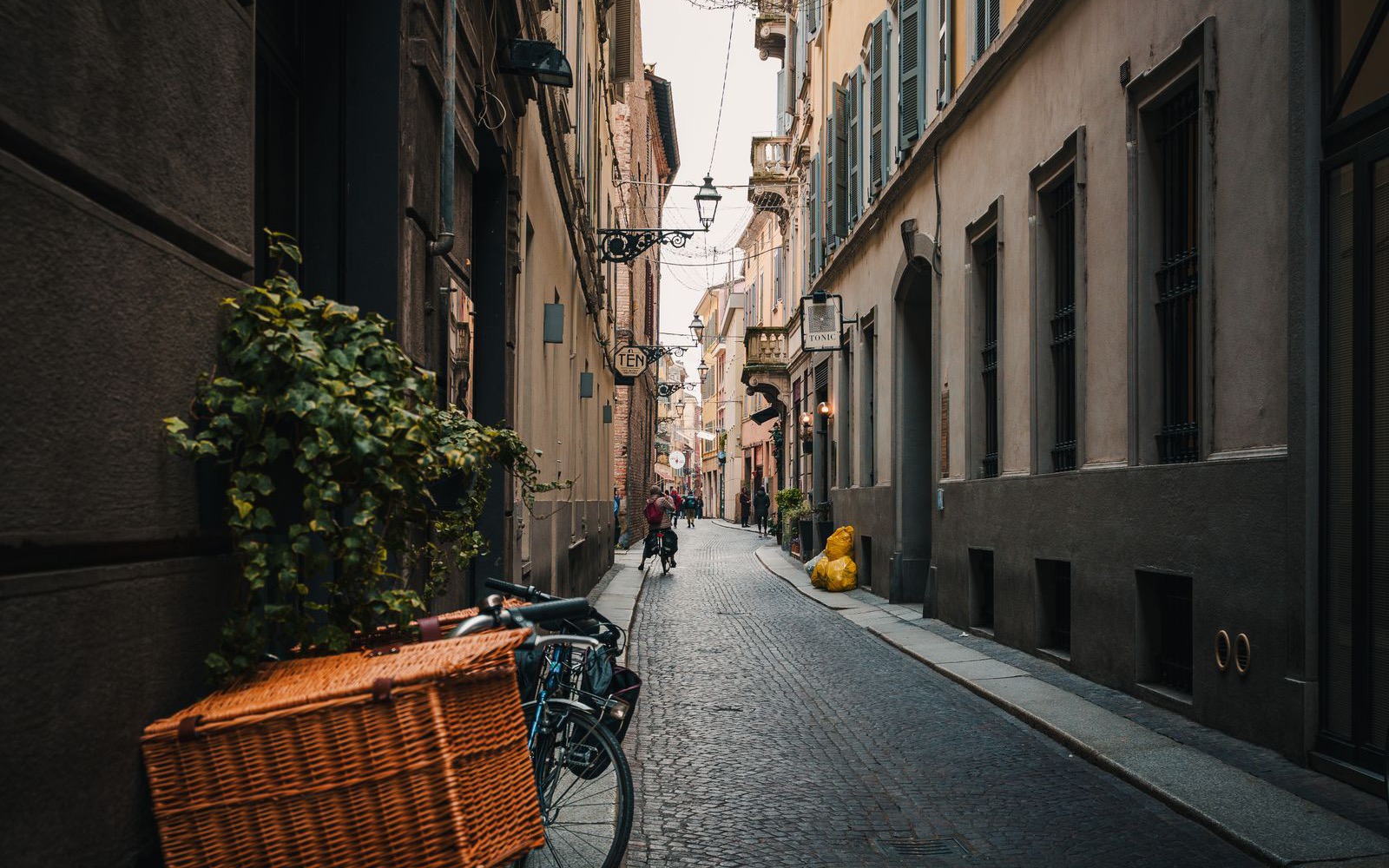
Practical guides
For most visitors, Verona is easier without a car. The central sights sit inside a compact network of squares, lanes and river crossings, while buses are useful for...
Read the guide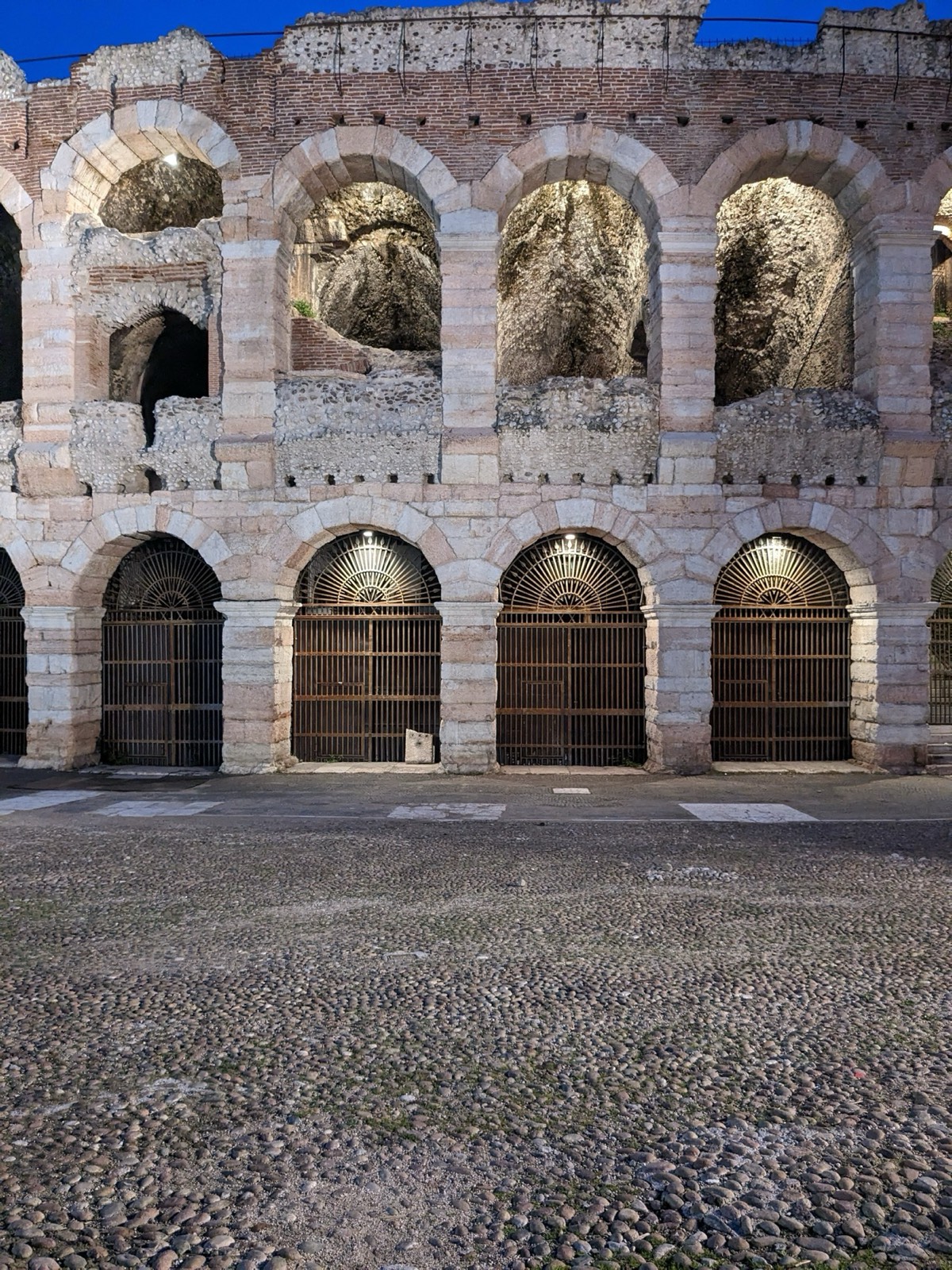
City guides
One evening is enough to understand why Verona works so well after dark. The trick is not to run from landmark to landmark.
Read the guideSee 71 selected sights, restaurants, aperitivo stops, shops, family places and practical addresses together.
Things to do · Eat and drink · Events and Arena · Shopping · Day trips · Practical planning
Use the trip planner for practical local reads and selected experiences.
Explore trusted tours in Verona, Lake Garda, Valpolicella and Venice.